







Search Results for: Green Coffee Processing
A Complete Guide to Green Coffee Processing: Washed, Natural, and Honey Processing Methods and Their Flavor Differences
From harvesting to becoming green beans that can be stored long-term, coffee cherries must undergo processing. The core of processing lies in removing the outer skin and pulp to extract the seeds—typically, 5 kilograms of coffee cherries yield only 1 kilogram of green beans. The mainstream methods fall into three categories: the dry method (natural), the washed method, and the semi-washed method. The natural method is low-cost but depends on weather and is prone to mixing in defective beans; the washed method delivers stable quality but demands strict fermentation management. Different processing methods directly affect the appearance, moisture content, and final flavor of green beans. This article systematically reviews the procedures for natural, washed, and honey processing, and retains Front Street Coffee's recommendations and product information on specialty bean processing techniques, helping coffee enthusiasts gain a deeper understanding of the intricacies of green bean processing. [more…]

What are coffee green bean processing methods? What are the operational procedures for the natural, washed, and honey processing methods? What are the differences, characteristics, and flavor profiles of natural, washed, and honey processed coffee?
Coffee green beans are not simply picked from the tree and then roasted and brewed right away; achieving good flavor requires many steps. People often assume that coffee flavor depends on variety, growing environment, and cultivation methods, but what they don't realize is that there is an important stage between growing and roasting called "coffee bean processing." [more…]
Coffee Processing Methods | What Is Wet Hulling? How Does It Differ from Traditional Washed Processing? How Does Wet Hulling Affect Coffee Flavor?
After guests come to Front Street and order a cup of Golden Mandheling coffee, they will ask out of curiosity. Why do most Indonesian coffee beans use the wet-hulled process rather than the washed process or the natural process? In this article, Front Street will explain what the wet-hulled process is. What is the wet-hulled process? Wet-hulling, also [more…]
PWN Golden Mandheling | Where is the Indonesian Golden Mandheling coffee producing region? Introduction to Golden Mandheling green bean processing method, roasting curve, cupping flavor, and pour-over parameters
PWN Golden Mandheling 01 | Origin Introduction Indonesia's main coffee-producing regions are Sumatra, Java, and Sulawesi, with Mandheling from Sumatra being the most famous. Mandheling, also known as Sumatra coffee, North Suma [more…]

From Coffee Cherry to Cup: Coffee Cherry Structure Diagram and Full Analysis of Green Bean Processing Workflow
Many people drink coffee every day, yet have never seen what a coffee fruit actually looks like. Coffee cherries resemble cherries, turning red when ripe, and their internal structure determines the final form of the coffee bean. This article uses anatomical diagrams to show in detail the exocarp, pectin layer, endocarp, silver skin, and seed of the coffee fruit, and traces the complete chain from harvesting, washing or drying, roasting, to extraction. It also introduces the distribution characteristics of the global coffee belt, as well as the basic differences among the three major native species: Arabica, Robusta, and Liberica. The article also recommends related products from Front Street Coffee, helping enthusiasts understand more intuitively the transformation of coffee from fruit to cup. [more…]
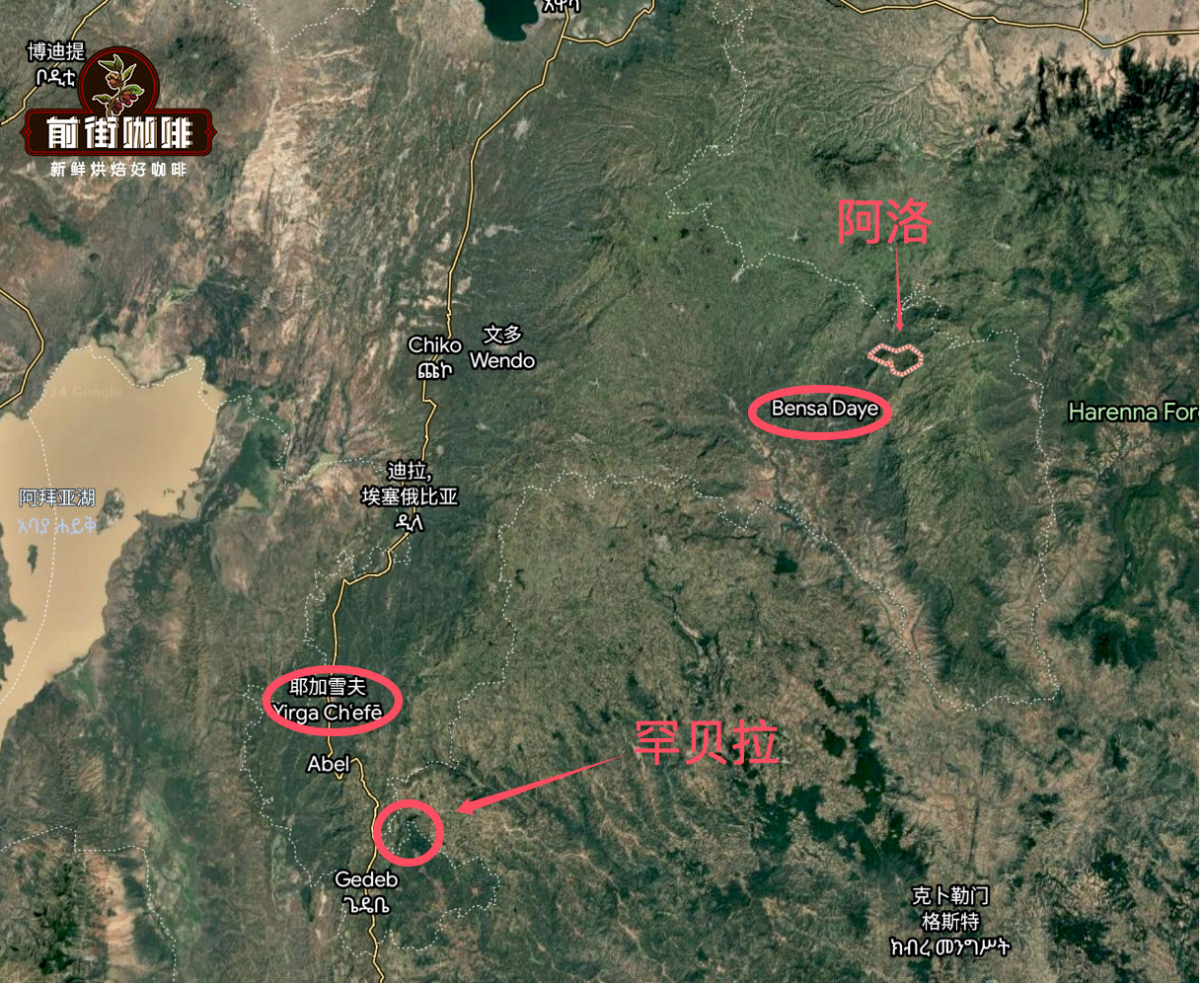
Sidamo Alo Village Coffee Beans alo coffee|Introducing the flavor characteristics of coffee beans from Alo Village, Bensa district, Sidamo, Ethiopia
Since the beginning of this year, a coffee origin called Alo Village has quickly risen to fame in coffee circles both at home and abroad, with extremely high exposure and discussion. In conversations with multiple roasters and buyers, Front Street Coffee has also clearly felt the continued rise in popularity of this origin. So, what is it about this suddenly "ubiquitous" Al [more…]
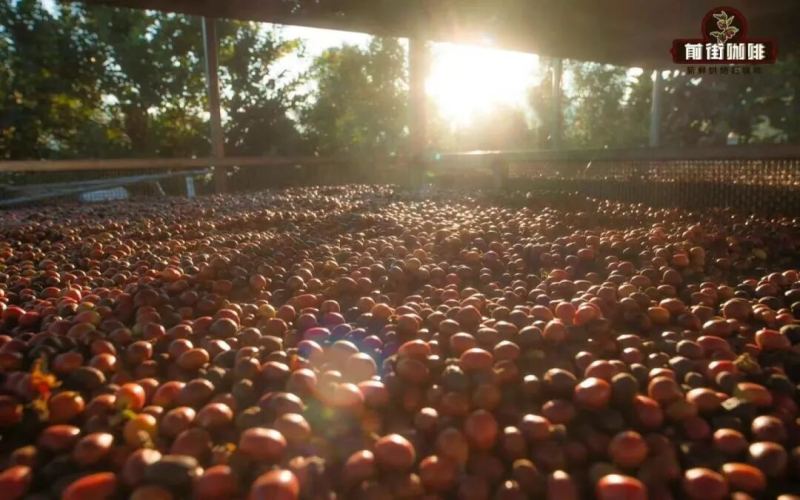
Coffee Processing Methods | What is the difference between semi-washed, natural, washed, and honey processing? What flavor and mouthfeel characteristics do different processing methods give coffee?
The natural process, as the name suggests, is to spread the harvested coffee cherries flat on the ground (on dedicated drying nets or patios) and use direct sunlight (for about 2-3 weeks) to remove moisture from the coffee fruit until the moisture content reaches the target level, after which machines are used to remove the dried husk to obtain the green coffee beans we want. Natural process [more…]

Origin of the name PWN Golden Mandheling coffee beans | What are the characteristics of the Ateng variety of Golden Mandheling coffee beans? What is the Indonesian wet-hulling coffee processing method?
Mandheling is not the name of a region, place, port, or coffee variety. Its name actually comes from a mispronunciation of the Indonesian Mandailing ethnic group. During World War II, when Japan occupied Indonesia, a Japanese soldier drank a rich and mellow [more…]
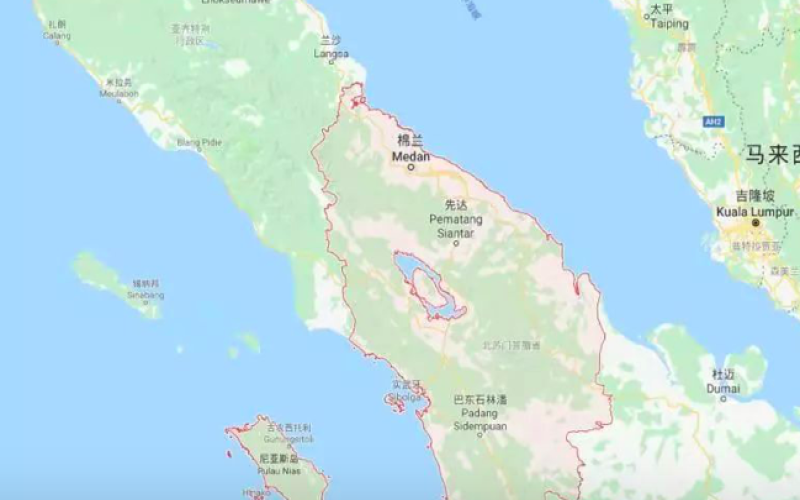
Types of Mandheling | What are the taste and flavor characteristics of Indonesian Mandheling? Comparison of Lintong Mandheling, PWN Golden Mandheling, Tiger Mandheling, and Aged Mandheling
Mandheling is not the name of a specific coffee variety, nor is it the name of a place of origin. In fact, it comes from a mispronunciation of the Indonesian Mandailing people. Mandheling coffee is mainly produced in the northern part of the island of Sumatra, Indonesia, where the terrain is high in elevation, and combined with the climate, [more…]
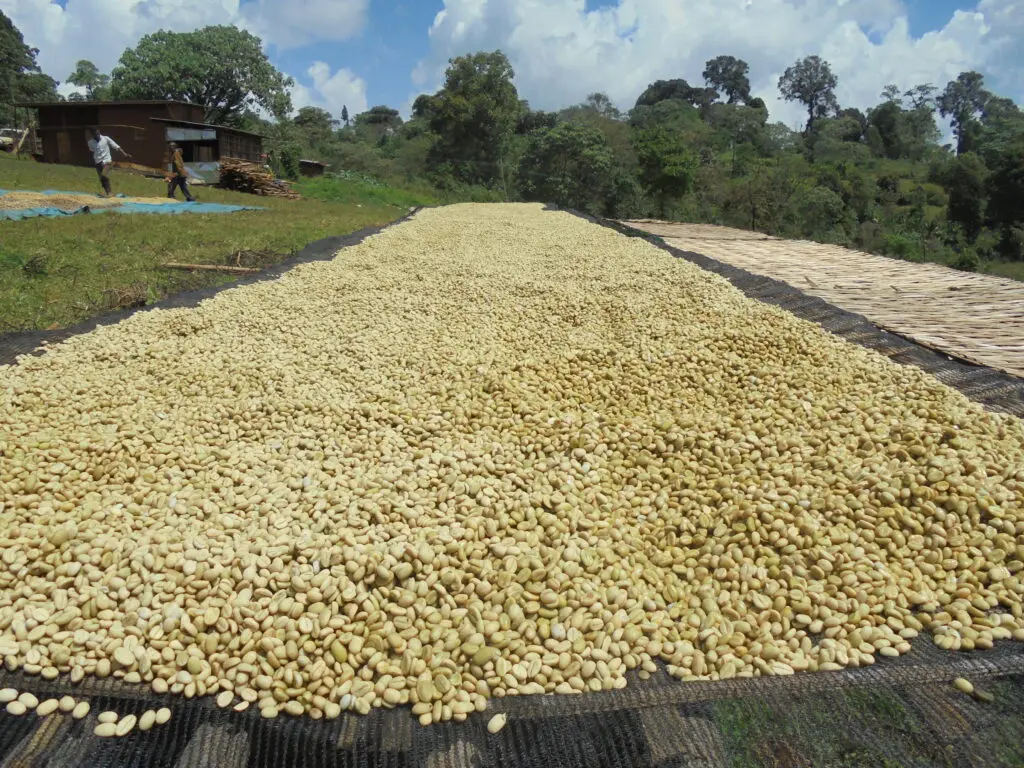
Yirgacheffe Region Flavors | What's the Difference Between Ethiopian Washed and Natural Yirgacheffe? How Should Yirgacheffe Washed Coffee Beans Be Roasted?
Yirgacheffe is a coffee region that everyone is surely familiar with. Its bright acidity and clean, refreshing coffee flavor have made it the first specialty pour-over coffee bean for many people. In recent years, Yirgacheffe has sparked a revival of the natural (sun-dried) style. In many people's memories, Yirgacheffe has always been washed [more…]
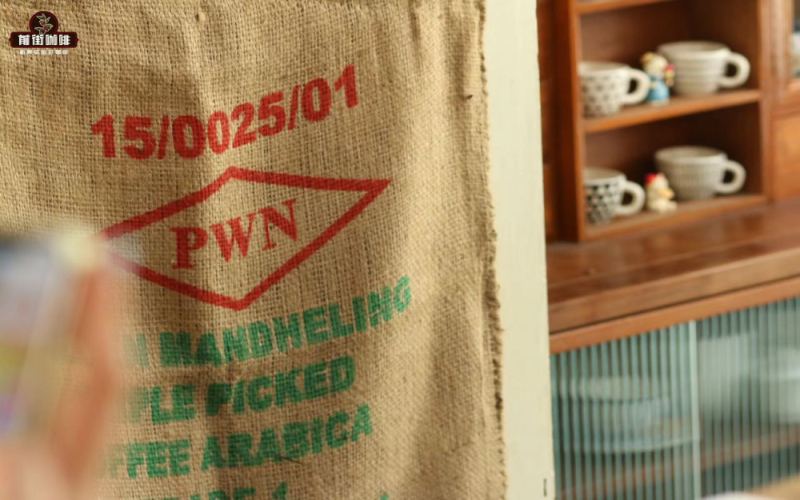
Recommendations for Full-Bodied, Low-Acid Pour-Over Beans | Is Mandheling Coffee the Most Bitter Coffee? What Are the Flavor Characteristics of Indonesian Sumatra Coffee Beans?
“Why is Mandheling coffee so bitter?!” Many friends, when first encountering Mandheling coffee, are always struck by its unique herbal spice notes and rich, intense mouthfeel. But that’s exactly where its charm lies! Although it is bitter, a good Mandheling coffee comes with a very pleasant sweet aftertaste, and its texture is smooth and full. [more…]
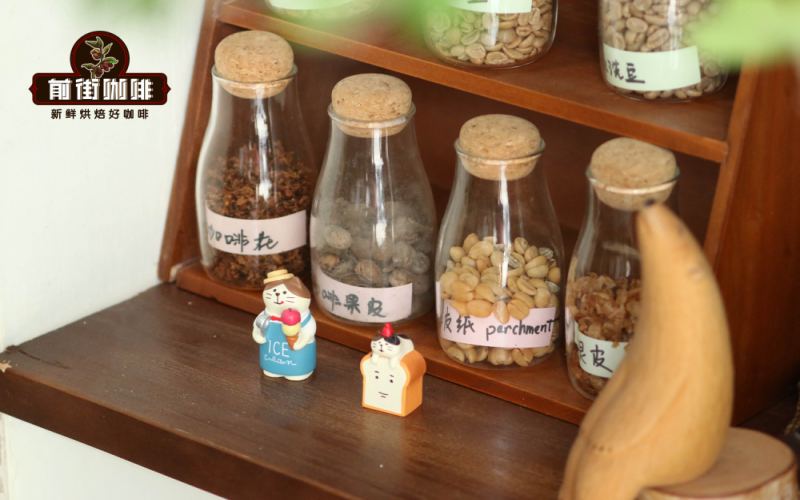
Washed Coffee Beans Pros and Cons | What Is the Washed Processing Method for Green Coffee? How Are Washed Beans Roasted? Recommended Delicious Washed Single-Origin Beans from African Regions
Everyone's demand for coffee is growing stronger by the day, with global coffee bean production reaching as high as 8.4 billion kilograms annually—an astonishing output. When it comes to coffee, Front Street believes that beyond variety, origin, and cultivation methods, there is another important process that influences coffee flavor: coffee bean processing methods. Different processing methods for coffee beans [more…]

Ethiopian Specialty Hand-Brew Beans | Why Is Sidamo Yirgacheffe Coffee So Aromatic? Is There a Big Flavor Difference Between Washed and Natural Yirgacheffe?
Yirgacheffe is a small town in southern Ethiopia, originally part of Sidamo Province. Later, because of its distinctive white floral aroma and citrus flavor, which left a deep impression on everyone who tasted it, Yirgacheffe became independent from the Sidamo region, officially ushering in a new era of acidic coffee and becoming [more…]
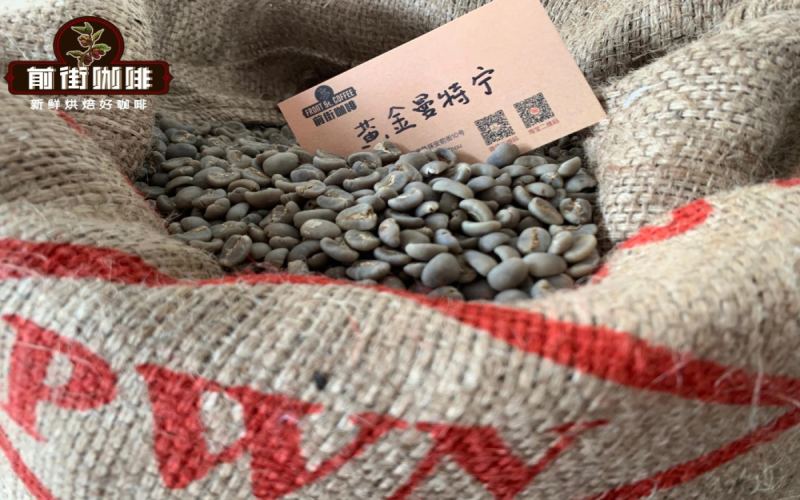
Recommended Single-Origin Asian Coffees | Is PWN Golden Mandheling the Finest Indonesian Specialty Coffee? An Introduction to Golden Mandheling Coffee Grades, Flavors, and Brewing Methods
If you come to Front Street and want to drink a cup of rich, bitter coffee, Front Street will serve you Front Street Mandheling coffee. Like Front Street Blue Mountain coffee, the name Mandheling has long been renowned in the coffee world. Behind these three characters lies an interesting story. So what is the relationship between these two matters? [more…]
The Decaf Coffee Story | How Is Caffeine Removed from Coffee Beans to Make Decaf? Is Decaf Specialty Coffee? Does Drinking Decaf Affect Sleep?
Starting the workday with a cup of coffee has become a habit for many friends. With the development of the coffee industry, more and more novel coffee processing methods have emerged. In addition to the diversity of processing methods, the segmentation of coffee categories is also increasing. For example, what Front Street Coffee is going to introduce today is one of the more special ones. [more…]
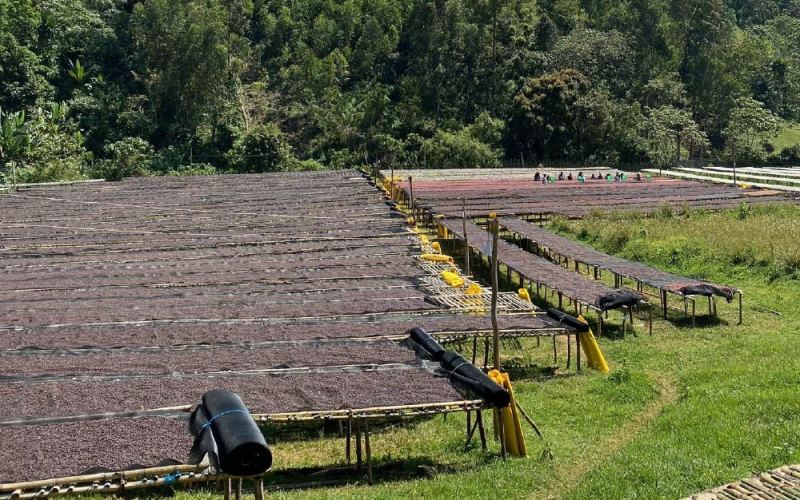
Washed vs. Natural Coffee Beans Flavor Comparison | Which Coffee Origins Use the Washed Processing Method? Washed Coffee Bean Processing Steps, Flow, and Flavor Characteristics
The washed method is currently the most widely used green bean processing method and one of the most traditional coffee processing methods. Typically, washed coffee has higher cleanliness than natural coffee, with brighter and more elevated acidity, and a more intense acidity as well. Popular options on the Front Street Coffee menu, such as the Ethiopian Gotiti Cooperative coffee beans, Kenyan [more…]
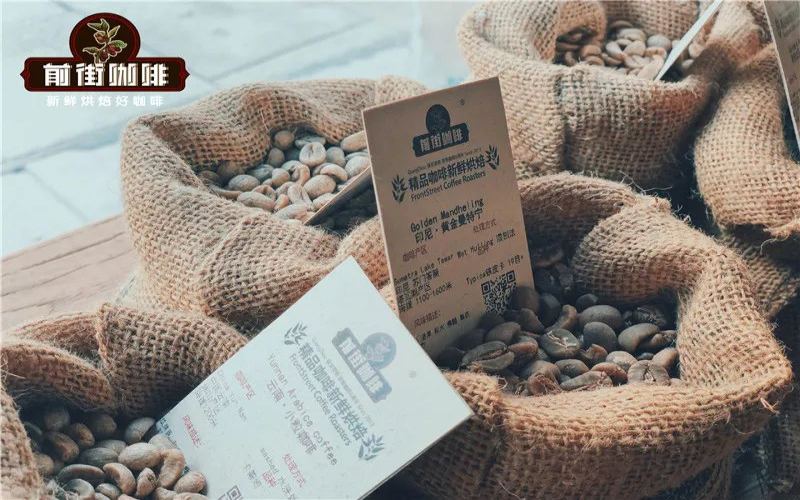
Black Coffee Brand Rankings | Which light, medium, and dark roast coffee beans are beginner-friendly and suitable for pour-over? Introduction to the flavor and taste characteristics of the top ten best single-origin beans
Many friends have私信'd Front Street, asking us to introduce some representative good coffee beans. Front Street thought about it, and the most representative coffees are the more distinctive coffee beans from major producing regions. To that end, Front Street has recommended 10 coffee beans from different producing countries for everyone. 1. Front Street Jamaica Blue Mountain No. 1 Coffee Beans [more…]
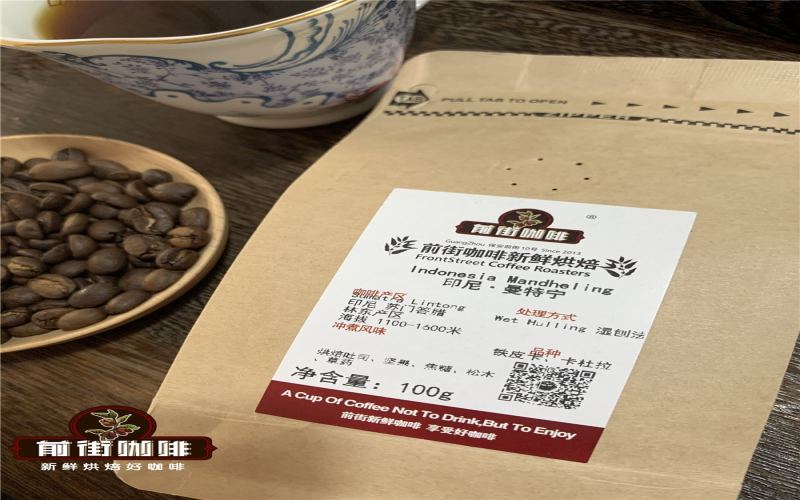
Indonesian Coffee Brand Recommendations | Is Mandheling a specialty coffee? How does the wet-hulling process affect Mandheling's flavor? How can you identify authentic PWN Golden Mandheling?
In Sumatra, there is a very complex local system for distinguishing the Mandheling coffees produced there. The most common approach is to differentiate various Mandheling coffees by naming them according to different regions, green bean traders, and processing methods. Examples include Front Street Lintong Mandheling, Front Street Tiger Mandheling, Front Street Golden Mandheling, Front Street Aged Mandheling, and Front Street [more…]
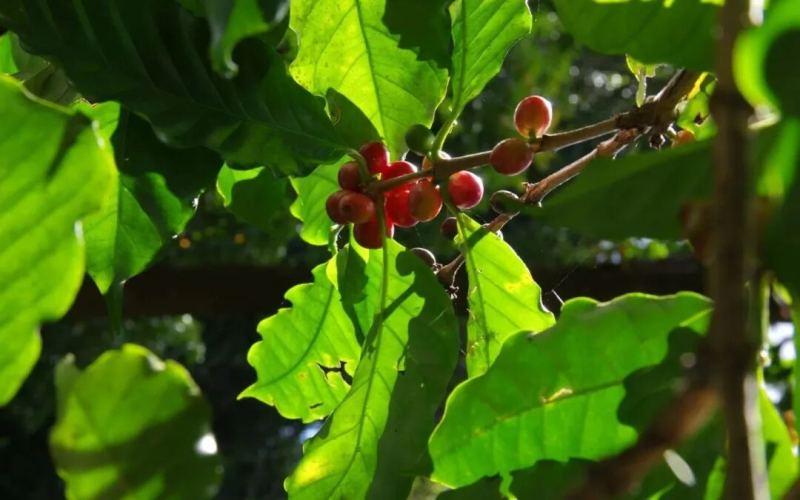
Ethiopian Coffee Beans | How Many Coffee Regions Are There in Ethiopia? Which Washing Stations and Cooperatives Produce Ethiopian Specialty Coffee?
As the birthplace of coffee, Ethiopia has always been a pilgrimage site for many coffee professionals. Many friends who come to Front Street Coffee ask as soon as they walk in whether we have Ethiopian beans, whether we have Yirgacheffe beans. Yes, whether for coffee beginners or coffee connoisseurs, Ethiopian coffee beans have that bright [more…]

Yirgacheffe Coffee Grading | Is There a Big Difference Between G1 and G2 Yirgacheffe Single-Origin Beans? Must-Buy Light Roast Pour-Over Coffee Beans for Coffee Lovers
We know that coffee bean grading methods are usually based on the actual conditions of the growing country. Some are graded by bean size, such as Kenyan coffee; some by altitude, such as Blue Mountain coffee; and some by defect rate, such as Ethiopian coffee. As the gene pool of Arabica, Ethiopia has a wide variety of coffee varieties. [more…]